A pattern test does two jobs. It tells you whether the pattern works on bodies that aren't yours, and it tells you whether your files and instructions work for someone who can't ask you what you meant.
Done well, it's also the first time anyone gets excited about your pattern. Done badly, it's a pile of messages you can't keep track of and a version nobody can identify. Most of the difference is in the set-up.
Decide what you're testing
Write down what you want to learn before you ask anyone. It might be fit across the size range, whether a new pocket construction makes sense, or whether a beginner can get through the instructions. It sets who you need and what you ask them.
Sew the pattern yourself first, and fix what you find. Testers are there for what you can't see, not for what you could have caught on a Sunday afternoon.
Find testers
Start with people who already know you:
- Your mailing list and past buyers. They know your style and care how it turns out.
- Your social accounts. A post with the garment, the size range and the dates does most of the work.
- Sewing groups and forums. Read each group's rules first. Many limit tester calls, or ask you to use a particular thread.
- Other designers. Some will tell you who tests carefully, and some will share your call.
Ask for what you actually need. Say which sizes you're short of, which skill level, and which fabrics. Cover the whole size range, and especially the ends: the smallest and largest sizes are where grading problems show first, and they're the sizes most often left out.
A short application helps. Ask for body measurements for the size they'd sew, sewing experience, the fabric they plan to use, and whether they can make the deadline. Choose people you can see will finish, and tell the others kindly.
Set the terms in one message
Everything you'd otherwise answer twenty times goes here:
- The deadline, and how long they'll have: give enough time for fabric to arrive.
- What you need back, and in what form.
- Whether you need photos, and how you'll use them. Ask before you publish anyone's photo.
- That the files are for testing only, and aren't to be shared or sold.
- What they get: most designers give testers the finished pattern. Say so up front.
Send the right files
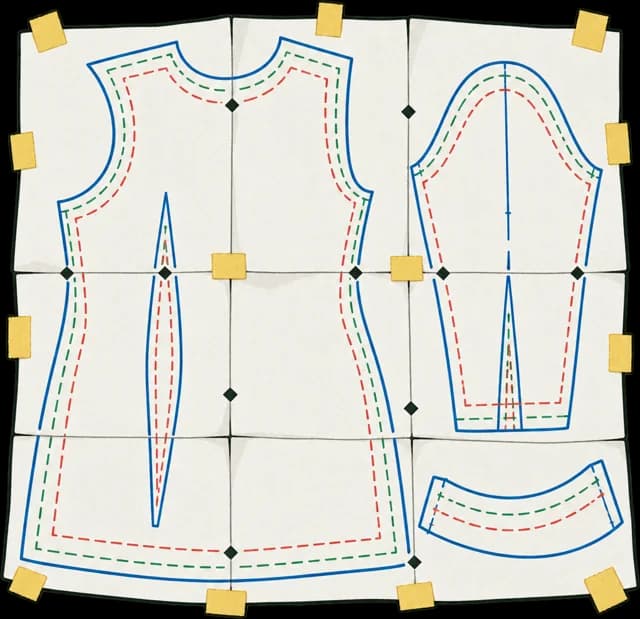
Send the files you plan to sell, not a quick export. A file test is half the point: this is how you find a page that prints with a gap, or a layer that won't switch off.
| Send | Why |
|---|---|
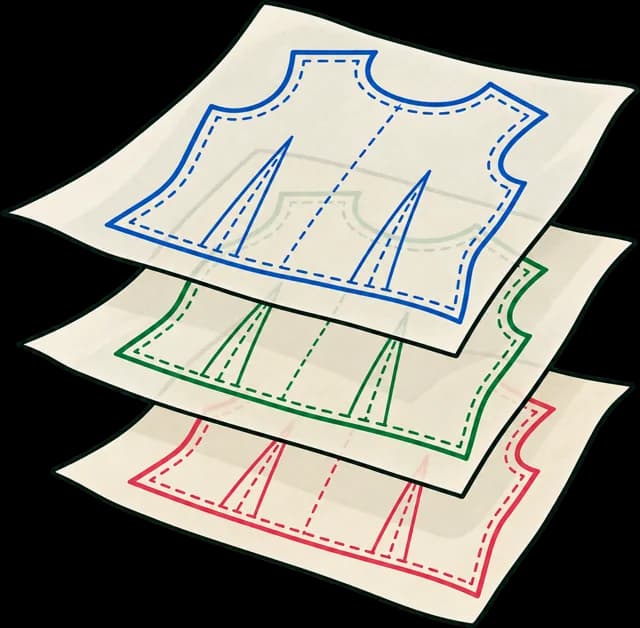
| Tiled A4 and US Letter | Your home printers will tape these up for real |
| A0 and 36 × 48 in | Someone should try a copyshop |
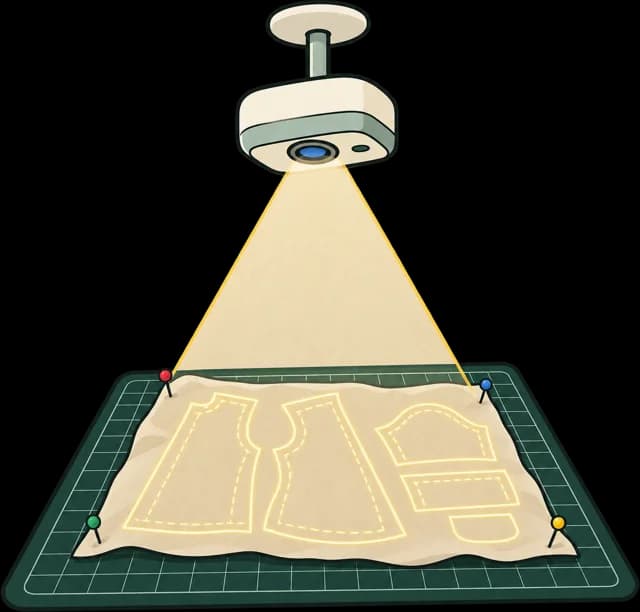
| Projector file | Find a tester who sews this way |
| Draft instructions | They're being tested too |
Mark every page as a test copy. It tells testers the file isn't final, and it makes a leaked copy obvious. What to send pattern testers has the full list, and the questions that find file problems.
Sewpress does this for free. A test copy build makes every format, keeps your layers, measures each file, and puts TEST COPY across every page with a line in the margin. You can build 3 a day, and the files stay for 30 days.
Number every version
Testers will sew different rounds, and you'll lose track unless the file says which is which. Use a simple rule:
- 0.1, 0.2, 0.3: test rounds. Each new file sent out gets a new number.
- 1.0: the first version you sell.
- After release: a free correction in Sewpress keeps 1.0 and prints a new build date on every page, so the date tells you and your buyers which file is which.
Put the number on every page, in the file name and in your notes. Then, when a tester says "the back notch is off", your first question has an answer: which version are they holding?
Collect fixes in one place
Don't let feedback live in message threads. Give testers one form or one shared sheet, and ask the same questions of everyone:
| Column | Example |
|---|---|
| Tester and size | Tester 4, size 18 |
| Version | 0.2 |
| Where | Step 7, back yoke |
| Type | Fit, drafting, instructions or file |
| What happened | Notches 3 mm apart |
| Photo | A link, if they have one |
Sort it by type when the round closes:
- Drafting and file problems get fixed. A notch that doesn't match isn't a matter of opinion.
- Instruction problems get fixed if more than one person stumbled, or if the fix is easy.
- Fit comments need thought. One tester's fit is one body. The same comment from three people in the same size band is a pattern. Fit photos on a dress form or a person tell you more than words.
Write down what you decided and why, including what you chose not to change. You'll want it when someone asks later.
Round two
Tell testers what changed. A short list, version to version, respects their time and shows you listened. Send the new version only to the people it affects, unless you changed something that touches everyone.
Stop when the problems you're finding are small. One more round is often better than a correction after release, but a pattern doesn't have to be perfect to be finished.
Then say thank you. Send the finished pattern as promised, credit testers by name if they've said you may, and ask if they'd like to hear about the next test.
From test copy to clean file
When the last round is done, build the same version clean. In Sewpress, one press cleans the same pattern and version without the mark, so you aren't repeating your set-up. For 365 days after that, corrections to the release are free, so a late-arriving fix doesn't cost you anything: see pricing for the details.
If you're still working out what buyers expect from the finished set, our guide to making PDF patterns to sell covers formats, pricing and Etsy's file limits.
Your next step
Have a pattern nearly ready to test? Upload the master and build free tester files. You'll have a set of files to send your first tester today, each one marked and measured.
Questions
How many testers do I need?
Enough to cover your size range and the skill level you're writing for, with people at both ends of the range. There's no magic number.
Should I pay testers?
Most designers give the finished pattern. Whatever you offer, say so before anyone starts, and be realistic about the fabric and hours you're asking for.
Can testers sell or share a test copy?
They shouldn't, and your terms should say so. A mark on every page makes a shared copy obvious and tells everyone it isn't the final file.
What if testers disagree about fit?
One person's fit is one body. Look for the same comment from several people in the same size band, and for photos.